How Anthropic is helping small businesses
How can a medical lab keep patients at the center of its work while the caseload keeps growing?

“You're not waiting seven days, you’re not waiting five days,” says Owen Parker, Arkana's Chief Technology Officer. “You know you’re going to have an answer the day after you have a biopsy.”
Roughly 37 million Americans are living with chronic kidney disease, and they often wait days or weeks for the pathology report that tells them what comes next. Twenty-five years ago, Dr. Patrick Walker founded Arkana Labs on a conviction that patients shouldn't have to wait for answers. Today, roughly 60% to 65% of renal pathology cases in the country come through Arkana.
Medical labs nationwide face demands that reach beyond the diagnosis itself, from rising caseloads to workforce shortages and the rapid pace of new disease classifications. Administrative demands alone account for an estimated 15 to 30 percent of US health spending, and denied claims cost providers billions a year.
Despite these challenges, Owen says, “We take every kidney case that comes in the door and triage from there. We're sort of an ER for renal tissue.”
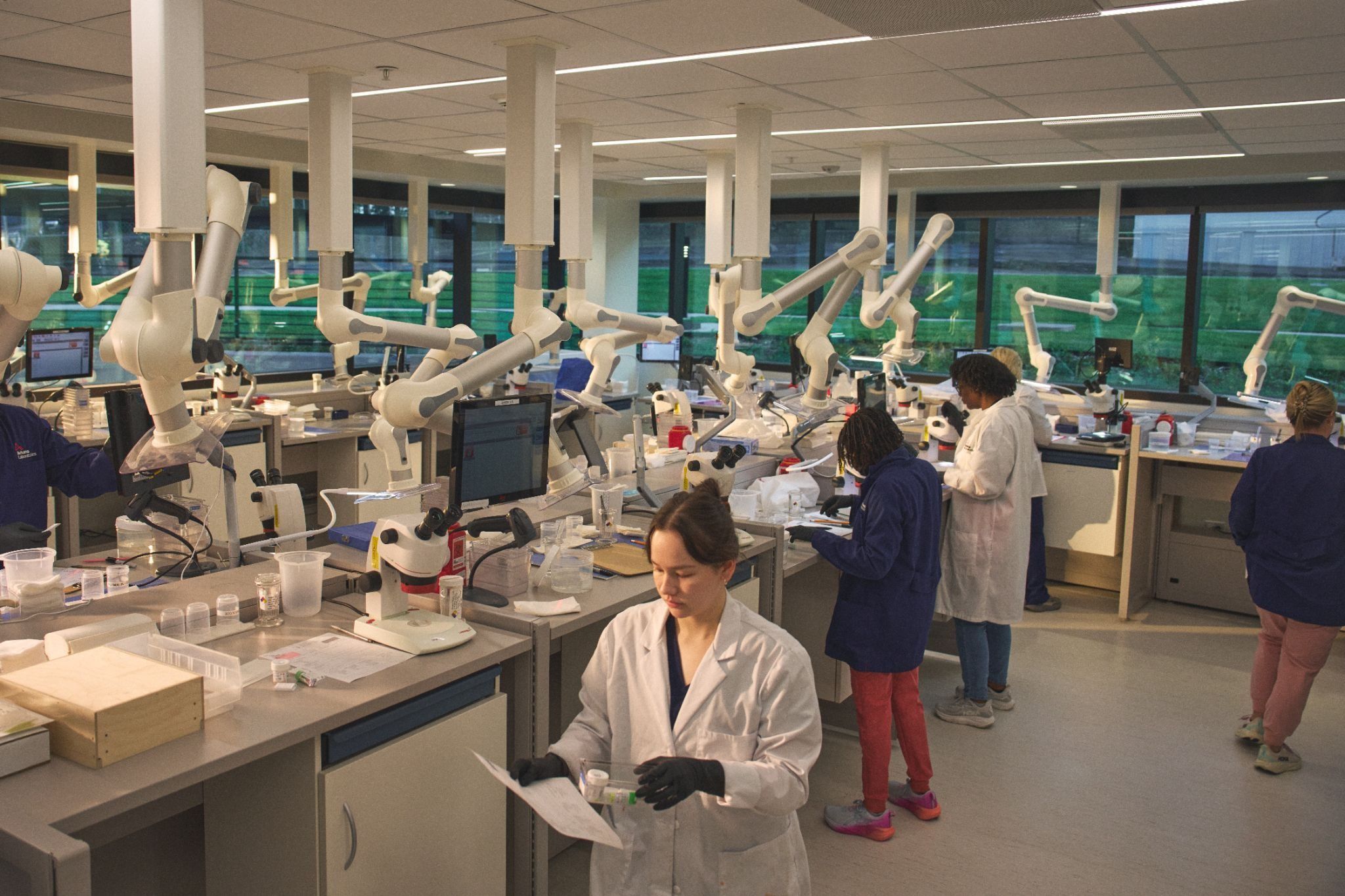
Every morning, around 160 cases move through the lab, prioritized by urgency and time zone. “We have this promise, and we’ve grown our business on it,” Owen says. “Delivering on it has accelerated growth, which has made it harder to deliver on it.” The lab processes every sample before it even confirms a patient’s insurance will cover it, which means Arkana absorbs the cost when it doesn’t. “We end up eating a lot of cost as a result,” Owen says, “but we need to process everything that comes through the door because somebody needs it on the other end.”
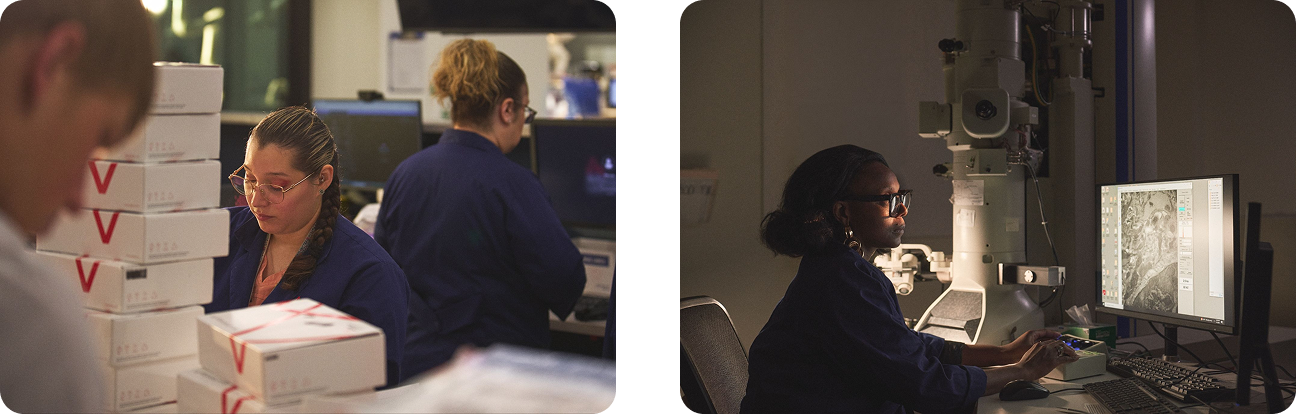
Hospital systems send paperwork with every biopsy, sometimes fifteen pages, sometimes eighty or ninety. Someone used to read through it by hand to find the referring nephrologist, the sending facility, and the details that determine who in the lab can look at a case. That process now runs through Claude’s HIPAA-ready infrastructure, holding accuracy between 97% and 98%. “We couldn’t have tried it before because the fear would have been that it slowed down patient care,” Owen says. “We did it because we could prove it was better and faster.”
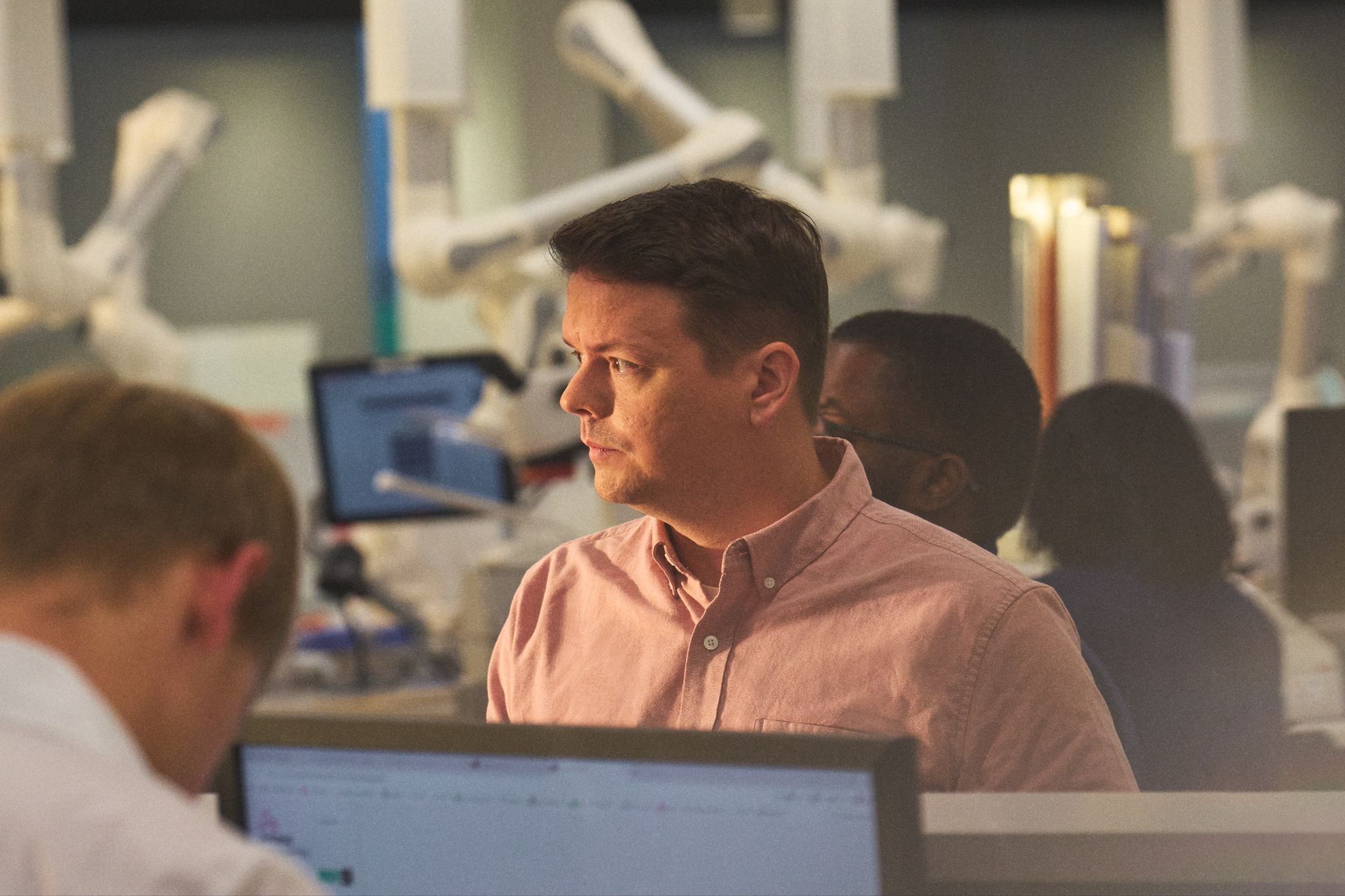
“We’re obsessed with making sure that people who are dealing with one of the more frightening times in their lives have really quick access to the information that can inform their treatment plans.”
Arkana is based in Little Rock, but according to Owen, it competes for physician talent with institutions like the Mayo Clinic, Stanford, and NYU. What Arkana offers instead of a big name is room to get creative, Owen says. “We’re a really small, kind of nimble organization.” A decision that might take two years of budget approvals at a larger institution gets made here in an afternoon.
That nimbleness applies to software as well: there aren’t off-the-shelf systems for a practice this specialized, so they’re building their own. Sadie Clark, Arkana’s AI Enablement Lead, runs a seven-week program that moves people from zero AI experience to building their own tools. Nearly a hundred people across the lab have started to build their own tools with Claude, including the lab information system now in development that will carry them from 160 cases a day to whatever comes next.
“It used to be: I don’t know if we can do this because we don’t have the capabilities. Now it’s: let’s look at it and explore, because if we don’t, that’s the more reckless option”
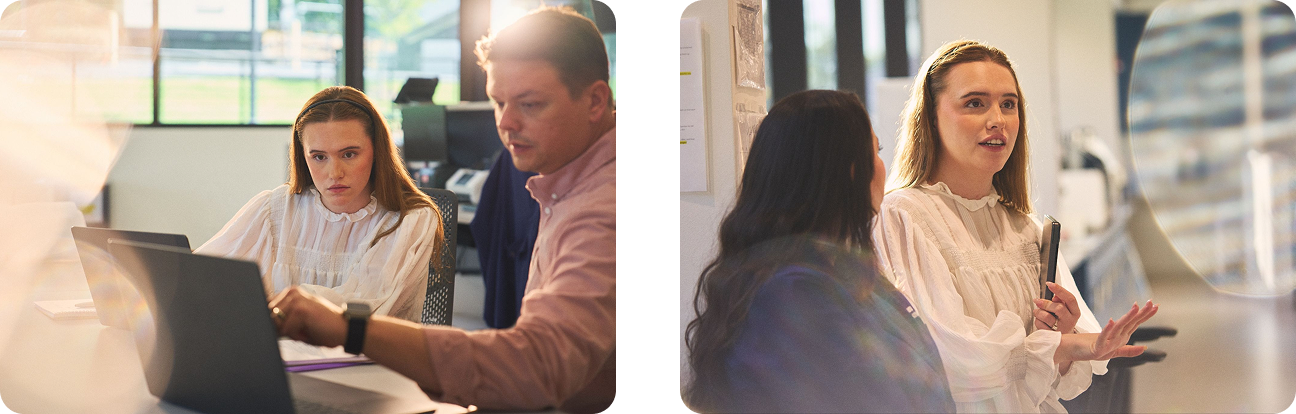
“One of the things that’s unique about Arkana is that we’re kind of the best of both worlds,” Owen says. Its physicians both practice and research, staying sharp on live cases while publishing in their field. According to Owen, the lab is now recognized as a global leader in kidney pathology, credited with identifying gene and mutation types not previously known. To widen the pipeline, it has built a condensed version of a renal fellowship that trains general pathologists into specialists.
Beneath all of this, Arkana has used Claude to build a shared knowledge base that any of its physicians can access, a way to tap the whole team’s accumulated experience at once. “There’s a knowledge share between all physicians at any given time that they can query,” Owen says. A disease a typical renal pathologist might see once a year, Arkana’s physicians see several times a month, which sharpens the practice and, Sadie notes, helps the wider field as much as the lab itself.
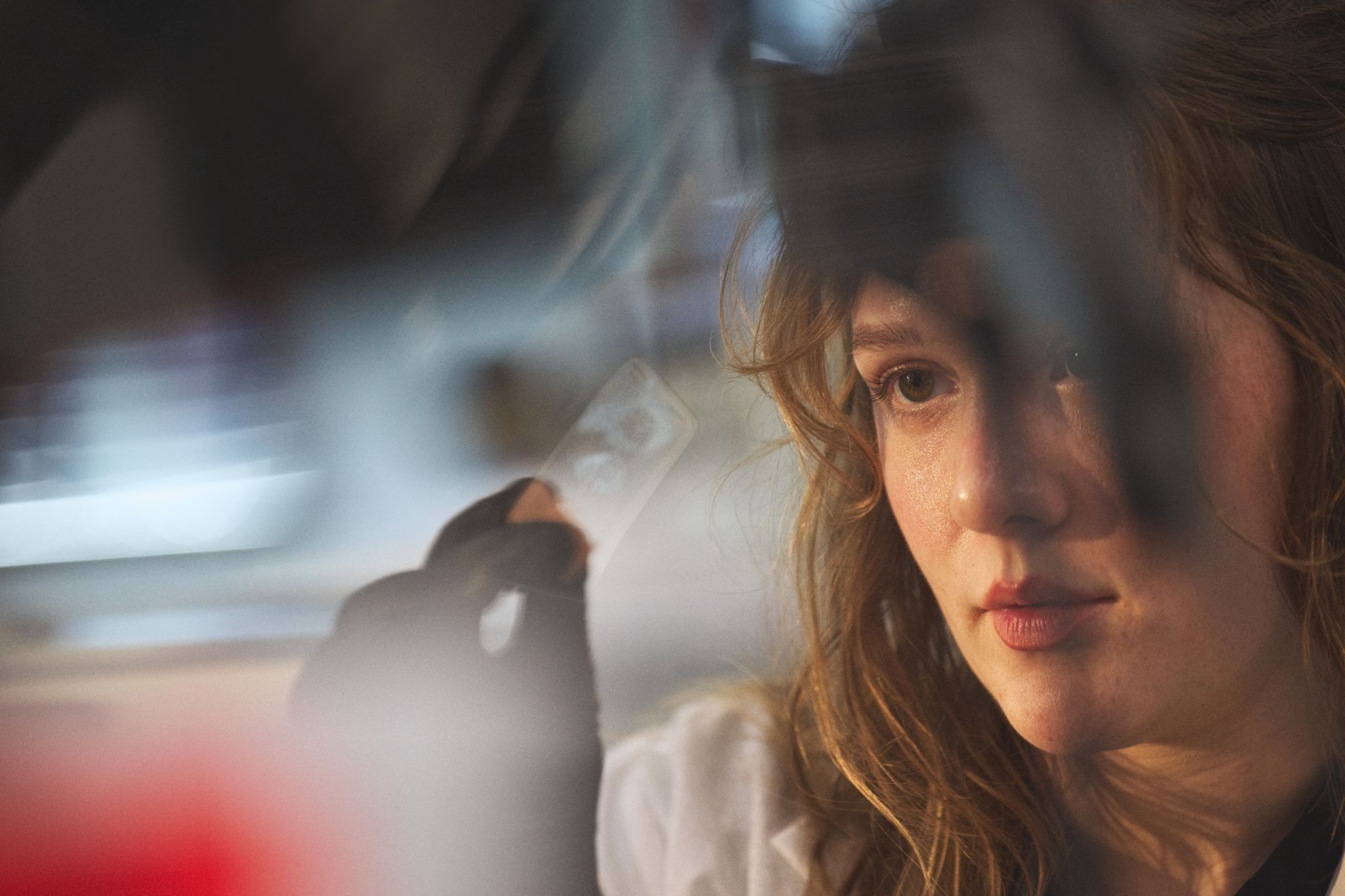
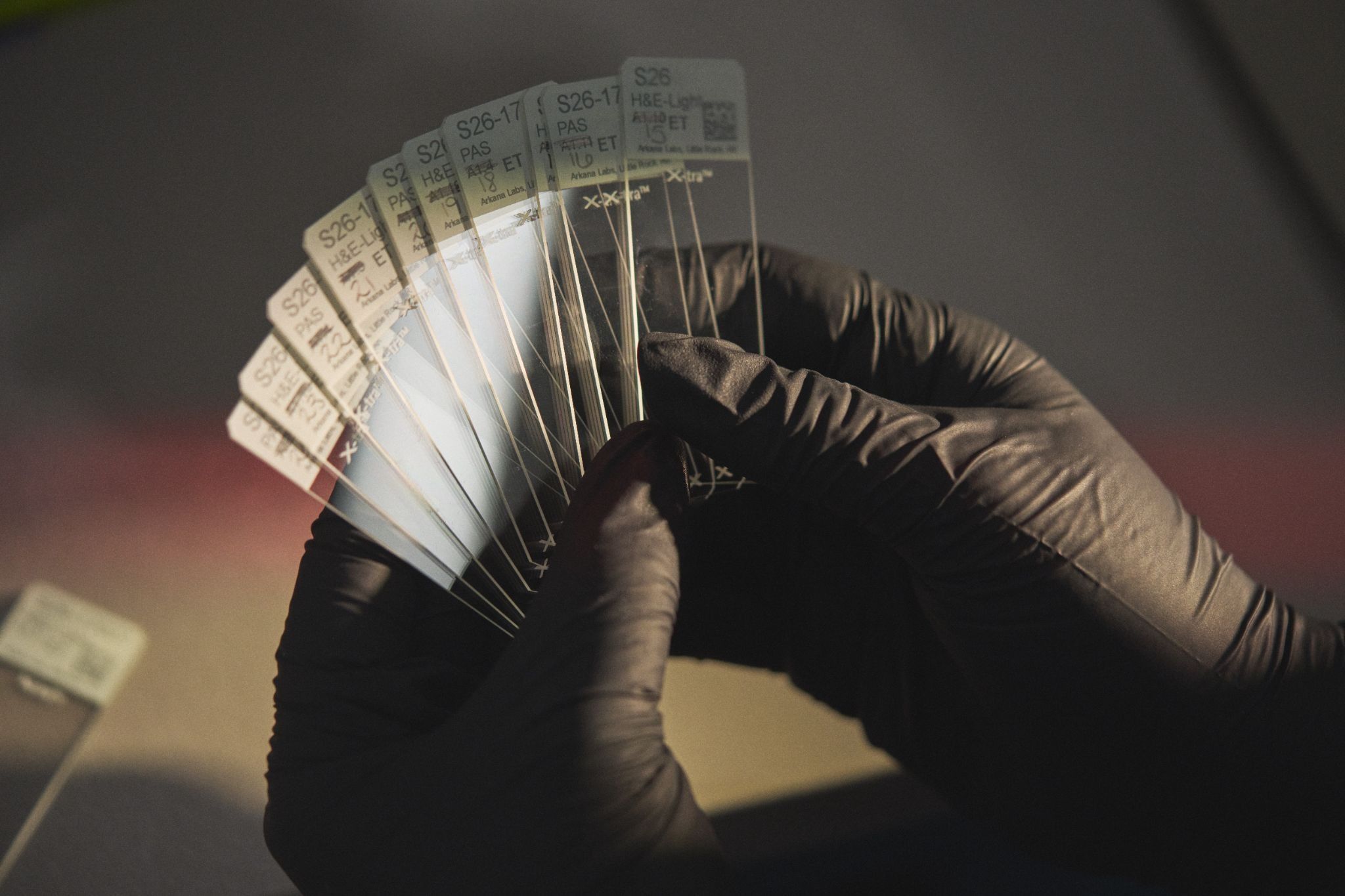
Over 25 years, the lab has accumulated close to three million glass slides holding kidney tissue from biopsies across decades of renal pathology along with decades of diagnostic reports written in narrative form. Arkana is using Claude to turn that archive into structured data for training diagnostic models that could catch kidney disease earlier, before a biopsy is even needed. “We want today’s biopsies to teach us enough to rewrite the clinical process itself, catching disease before a biopsy is ever needed and moving up the chain toward drug discovery,” Owen says. “That’s the ultimate goal.”
Until that day, Arkana will continue both missions, says Sadie. “Even though we don’t see their faces every day, we like to remind ourselves that we’re dealing with real people, real illnesses, real diagnoses that need to be given back, and lives that are going to be impacted by what we do.”