How Anthropic is helping small businesses
How can a small team revive solar power and restore trust?

Rooftop solar took off across Florida in the 2010s, turning it into one of the country’s largest solar markets. Thousands of homeowners installed systems, drawn by promises of reliable power, environmental benefits, and lower bills.
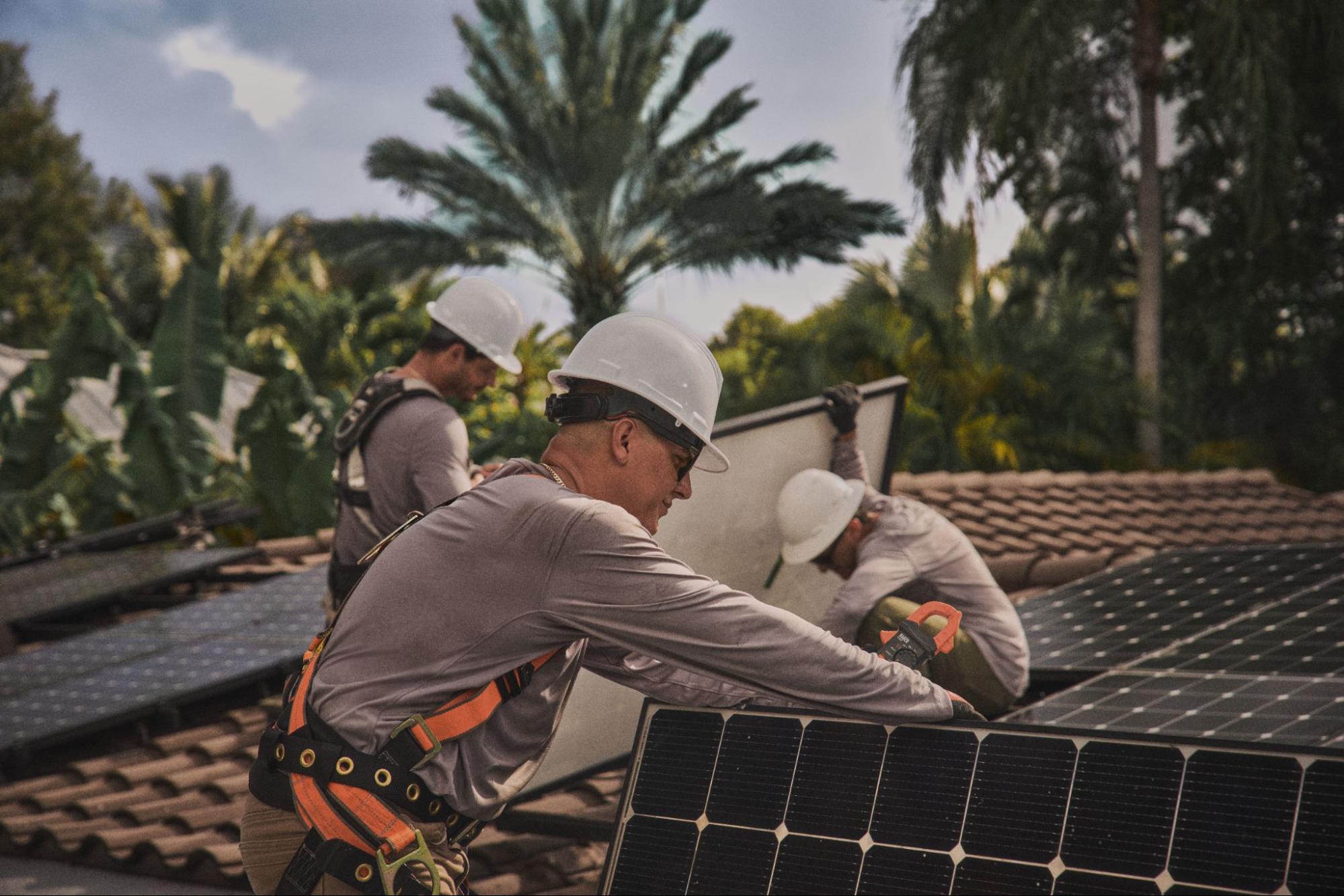
As the market grew, national installers expanded rapidly, selling warranty plans meant to last for decades. Over time, though, many of those companies went out of business—leaving customers to pay off 25-30 year loans on equipment with void warranties. Some of the systems had never even been switched on.
Solar entrepreneurs Luis Galarza and Laura Gutiérrez identified the problem and set out to fix it. Now, they’re installing, repairing, and restoring solar power with the help of Claude.
Luis and Laura used to work for some of the solar companies that have since shut down, going door to door across South Florida to sell panels. A year or two after a sale, some of the customers would call back in trouble. “You sat in my living room, you looked me in the eye, I signed a $60,000 contract, and look where I am today,” Luis remembers hearing. That feeling of having let people down is why he got licensed to repair the systems himself.
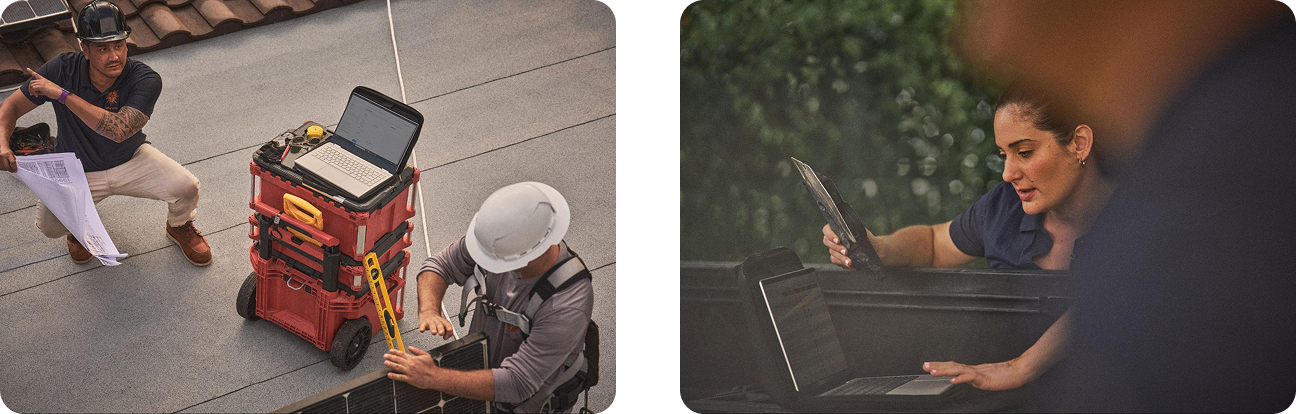
From there, Luis and Laura founded SoFlo Solar, their small Miami-based company that installs new solar power systems and repairs and maintains existing ones. They call their main customers “solar orphans”: people who went solar and then watched the companies behind their systems vanish. Across South Florida alone, Luis estimates roughly 12,000 systems have been orphaned—a number he says keeps climbing.
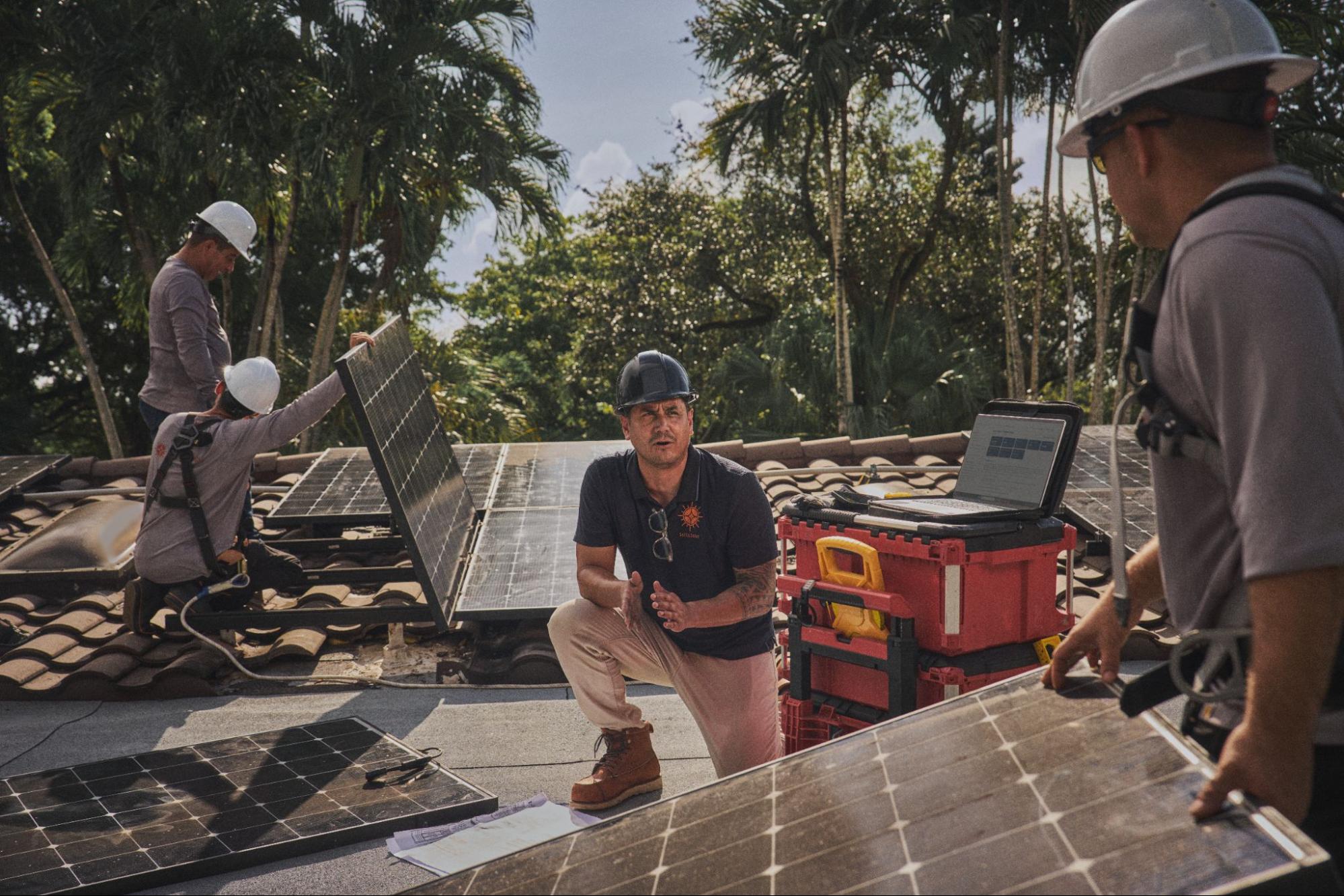
One of their customers was a Fort Lauderdale couple who had a fully installed solar system sitting on their roof, unused. The installer had shut down one step short of activating it with the utility. For two years they’d been stuck paying full electric bills for equipment they were unable to use without the company’s support.
Luis told the couple he would have to take the system apart, redo the permits, and rebuild it from scratch. They agreed, and their first electric bill after the rebuild dropped to $31. They sent Luis a screenshot right away. “Here we are, and this really works.”
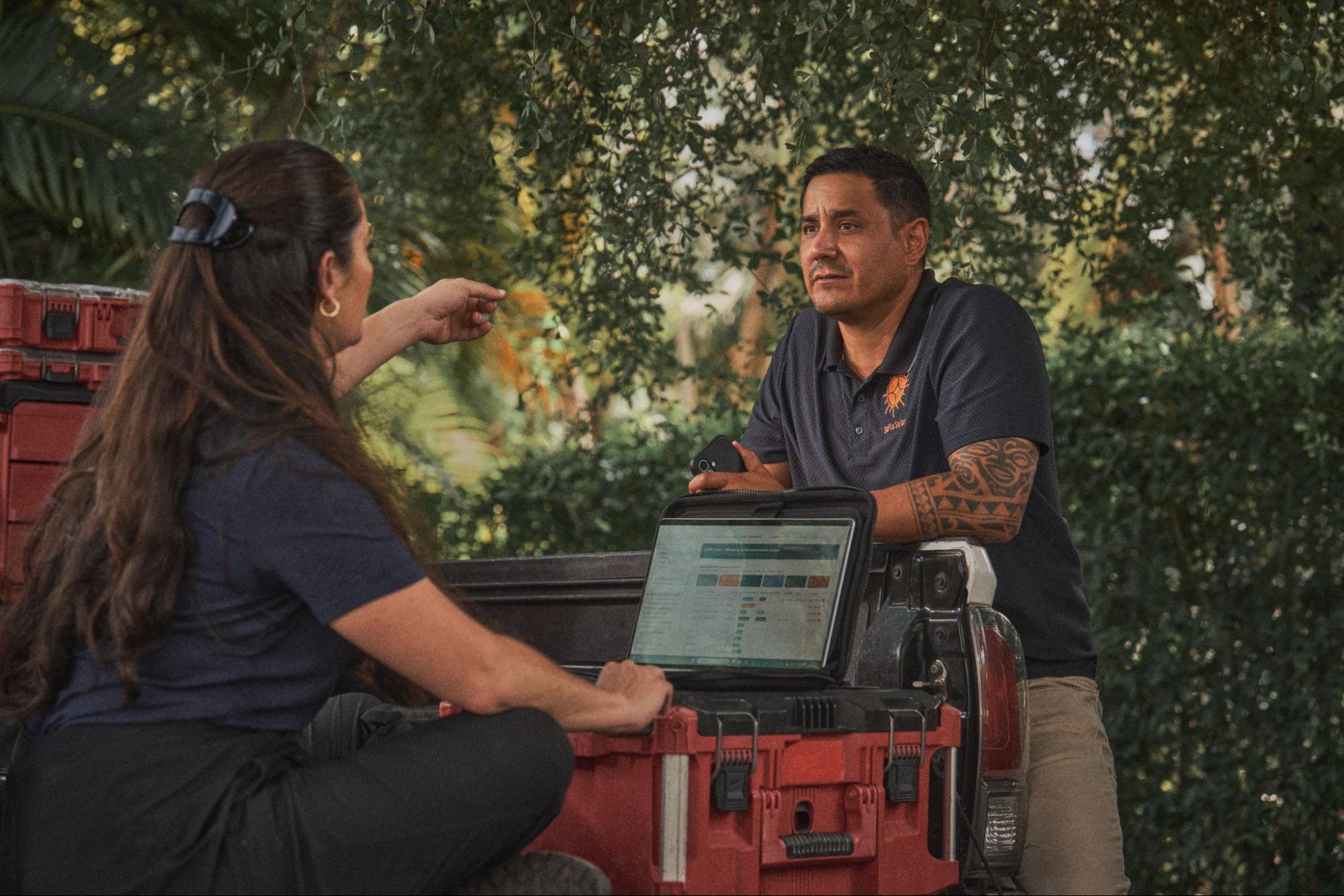
Luis invested in a Claude subscription when the team was still just Laura and himself, and used it to study the market— leading him to focus the business on orphan rescue. “We got to grow up with these tools,” Luis says. Laura, who had no programming experience, taught herself to vibe-code with Claude and built the first working version of the company’s operating platform in eleven days.
Luis, an electrical engineer, took Laura’s prototype further, writing out a full product requirements document. He then brought in an outside developer to build it out completely. “We don’t have to know how to code, per se, to get the results that we want,” Luis says.
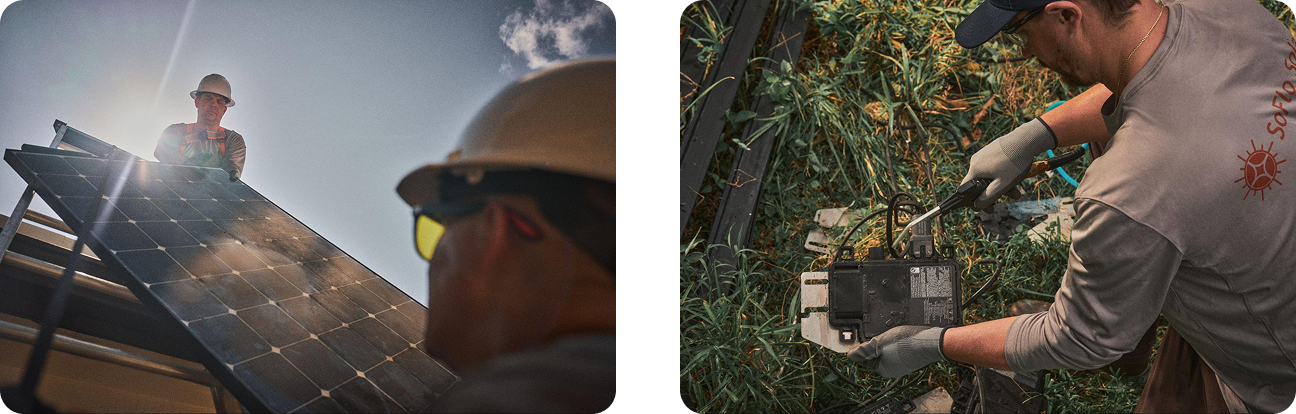
SoFlo’s technicians use Claude in the field to help with diagnostics. Most of the systems SoFlo takes on are five or ten years old, built from parts made by manufacturers that no longer exist. On a roof, a technician has to make old and new equipment work together, often with no support line to call. They use Claude to read across manuals, find substitute parts, and solve problems like a battery and an inverter not talking to each other. “I can’t digest 1,500 manuals from 80 manufacturers, but Claude can,” Luis says. The kind of repair that used to be a dead end now gets finished on site.
“Claude is really important for us to find these loopholes and see what technology is out there that we can integrate, so that we can bring these systems back to life.”
The SoFlo team also uses Claude to communicate technical details to crews and customers. Luis works with Claude to produce the wiring diagrams his crew follows and to translate instructions for the technicians who speak Spanish or Portuguese. Each job gets logged through a voice intake that Claude turns into a plain-language record for the homeowner.
At any given job site, a technician might need five different manufacturer apps just to check on five pieces of equipment. Luis posed the problem to Claude directly: he wanted one command center that pulled everything into a single view. Beyond helping build it, Claude suggested turning the idea into its own product entirely. Now Luis and Laura are building a standalone software company, using Claude to help with the pitch deck, the product requirements, and the research. “It leverages all the knowledge of all the reports of any work or any deliverable we’ve ever put out,” Luis says. “It’s just a center of intelligence that a normal human being could not retain.”
Luis and Laura see each repair as going beyond the hardware. “It’s not only reinstating energy production,” Laura says. “It’s also reinstating their confidence and their trust.”