How Anthropic is helping small businesses
How a family business uses Claude to compete in a global seafood market

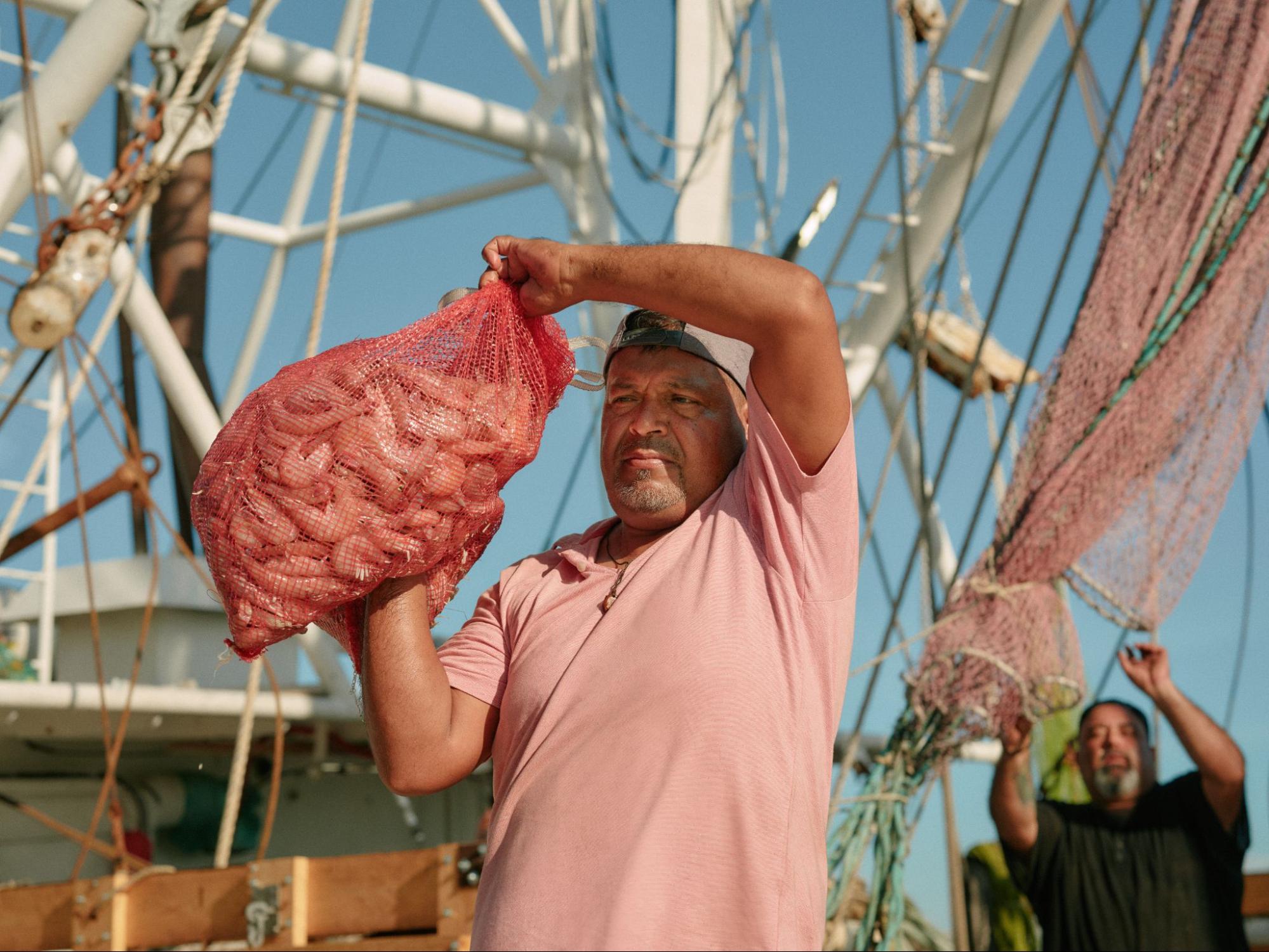
Bama Sea Products started in 1977, when Michael Stephens’s father took two of his own father’s shrimp boats and built a business around them in Bayou La Batre, Alabama, a town where nearly everyone worked in seafood. Today it operates with about a hundred employees out of St. Petersburg, Florida, supplying fish to grocery retailers, home-delivery services, and some of the largest food distributors in the country. Since April, Bama’s leadership team has been using Claude to build its own programs, from a tool that analyzes food-safety data to a team-wide reference file that holds the company’s history, values, and communication style.

Michael, now CEO, started on the processing line at twelve and has run the company since 2017. Some of the people on Bama’s lines have been there for thirty-five years, since Michael was a kid working beside them. He calls them the Bama family. “Most of the people here learned this business with a shovel or a ship’s wheel in their hand,” he says.

Bama holds its own in an industry dominated by large overseas processors, and faces costs and regulations its rivals don’t. According to NOAA Fisheries, about 80 percent of the seafood Americans ate in 2023 was imported.
“We’re competing against facilities on the other side of the world that have much lower labor rates and different standards. I’m not going to say right or wrong. It’s just the reality. Ours is different than theirs.”
The large companies Bama sells to and competes with have resources like analysts and expensive software that tend to be out of reach for a mid-size family business, and for most of its history, Bama held onto its own way of doing things. Even as tracking chips, traceability systems, and software suites swept through the rest of food processing, Michael saw those tools as pricey and uncertain investments for a business that could shift at any time.
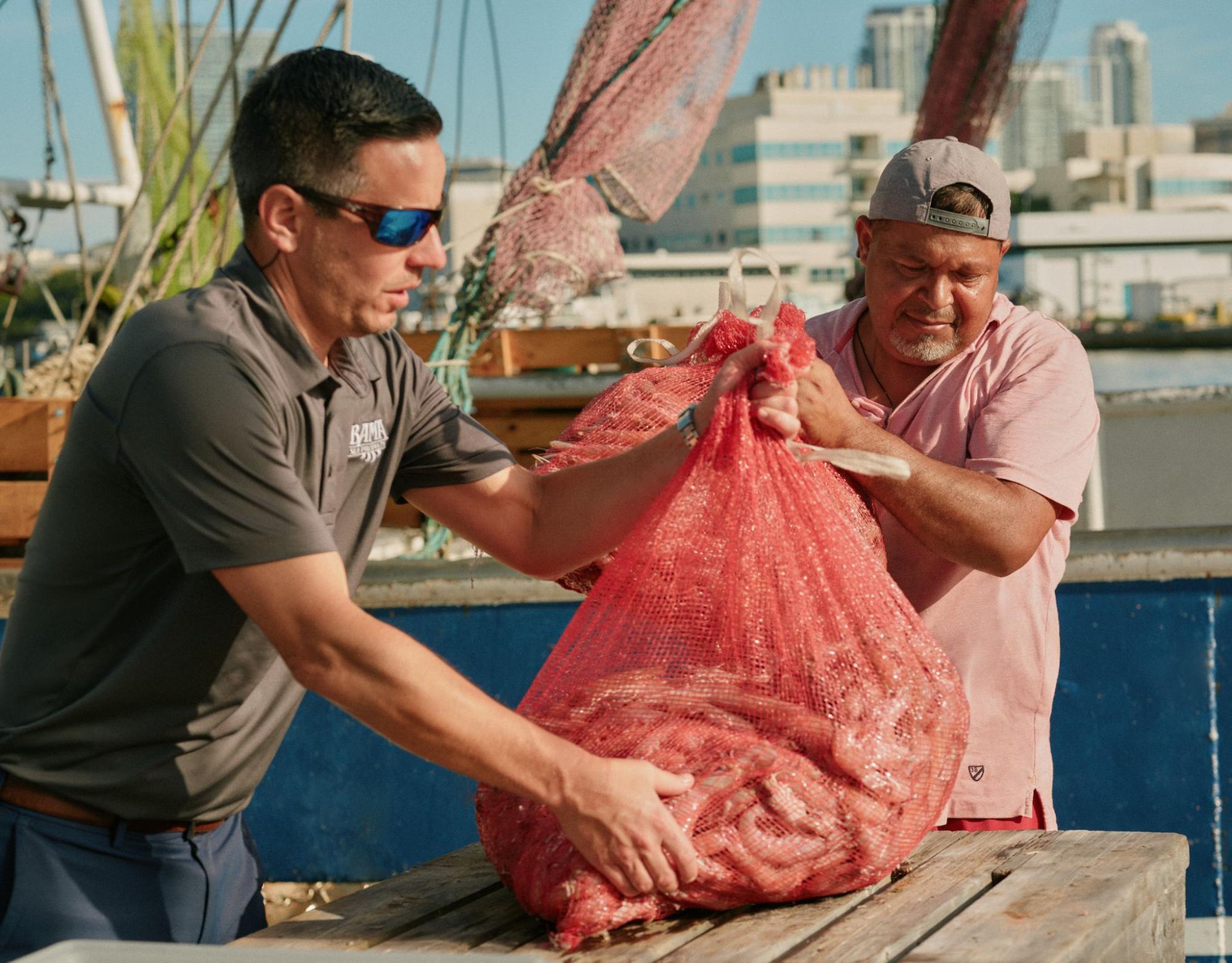
That changed when he and his leadership team sat down with Claude for the first time. Unlike the software suites he’d previously passed on, it didn’t require a big investment or steep learning curve before it was useful. By the end of that first weekend, Michael was already building with Claude, and it’s been part of how Bama runs ever since.
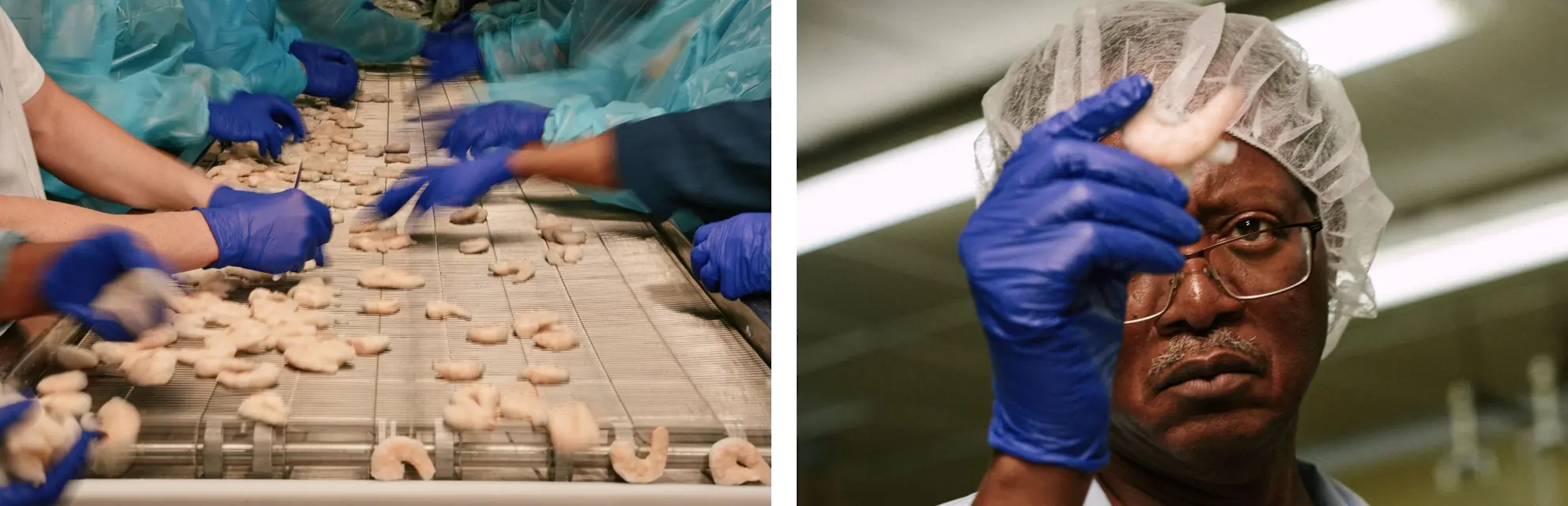
The first program they built came from data Bama already had. For two decades the company has recorded food-safety and quality data on every batch it handles, down to how each load of fish tastes and smells. Most of it had only ever been pulled out for audits. Michael gave Claude twenty years of data at once and asked where problems had come from—sorted by supplier, product, and time of year. The job took Claude eighteen hours. What came back was a plan for each supplier, showing where Bama could raise quality and lower the risk of a recall. In the food business this is called continual improvement, or as Michael describes it in simpler terms: “better shrimp going on that truck.”
According to Michael, only five companies in the United States and twenty in the world do what Bama does, so there isn’t demand for software companies to build programs tailored to its work. Instead, Bama is writing its own tools and rebuilding the software that runs its operations, despite no one on the team being a developer.
“They say in law school you don’t learn how to be an attorney, you learn how to think like an attorney. Well, now we’re all thinking like coders.”
Some of Michael’s team used to spend their days building spreadsheets and checking them for a mistyped cell or a formula dragged wrong across tabs. Now they spend that time reading the numbers and deciding what to do about them. Michael calls it the shift from document creation to document audit, and measures the result against the larger companies he sells to and competes with. “We’ve got the ability with these tools to do everything that Tyson is capable of, to do everything that Cargill is capable of,” he says.
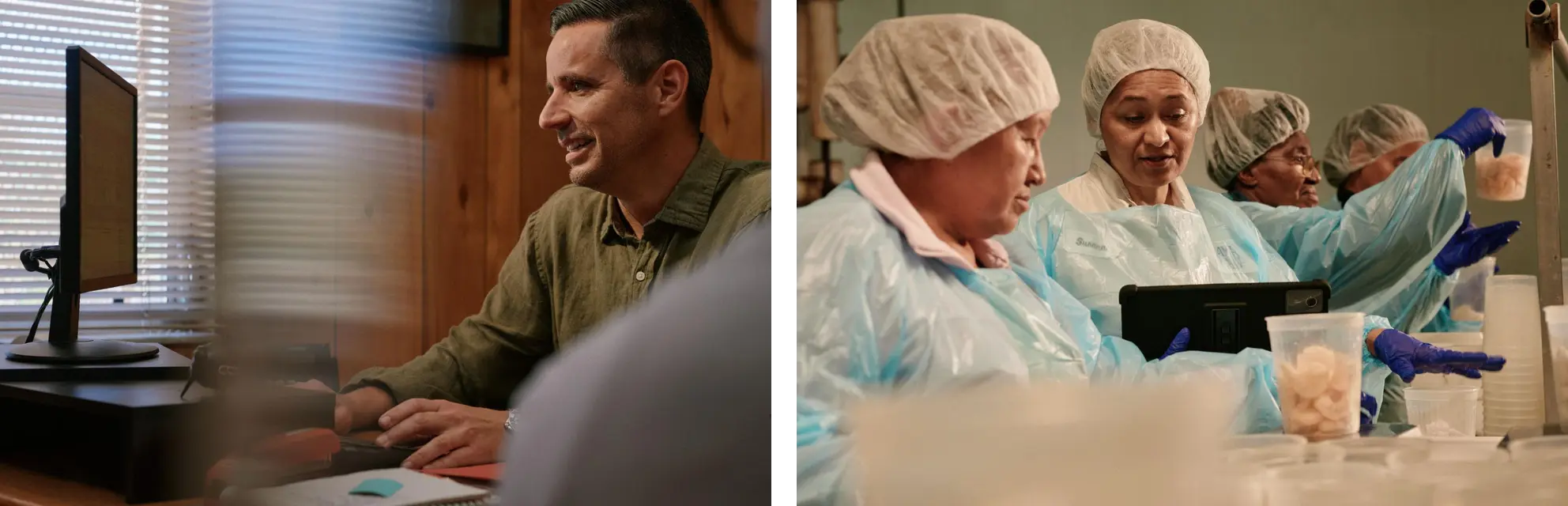
One program they built exists to make sure every communication feels and sounds like Bama. Michael spent several hours dictating the company’s history and values, drawing on what he learned from his father and the people he grew up working beside. He worked it all into a single file that everyone at Bama draws from when they open Claude. “It knows who we are. It knows where we came from. It knows where we want to go.” Now when anyone on the team asks Claude to draft a report or a note to a customer, that file shapes what comes back. If a draft reads flat, Claude flags it the way Michael would.
Bama’s values come down to giving back to the community and treating employees with dignity. Bama donates seafood to the St. Pete Free Clinic and to Daystar Life Center next door, and gives fish to Catholic churches around the city for their Lenten fish fries. It also holds onto the people at its heart. When Bama bought its St. Petersburg building in 2000, Newton Murray had been the janitor there for twenty years. He was 86 with a pension he could have retired on, but kept working even years later when Michael’s father encouraged him to retire for his own safety. When the Tampa Bay Times profiled him at 99, Mr. Newton said, “Bama became my new family. I am blessed.”
“You can do well and do good. It’s not a zero-sum game. We can make money and support our families and lift everybody up here and do something we’re all proud of.”