How Anthropic is helping small businesses
How can a Boston restaurant owner pay people what they deserve and still keep the lights on?

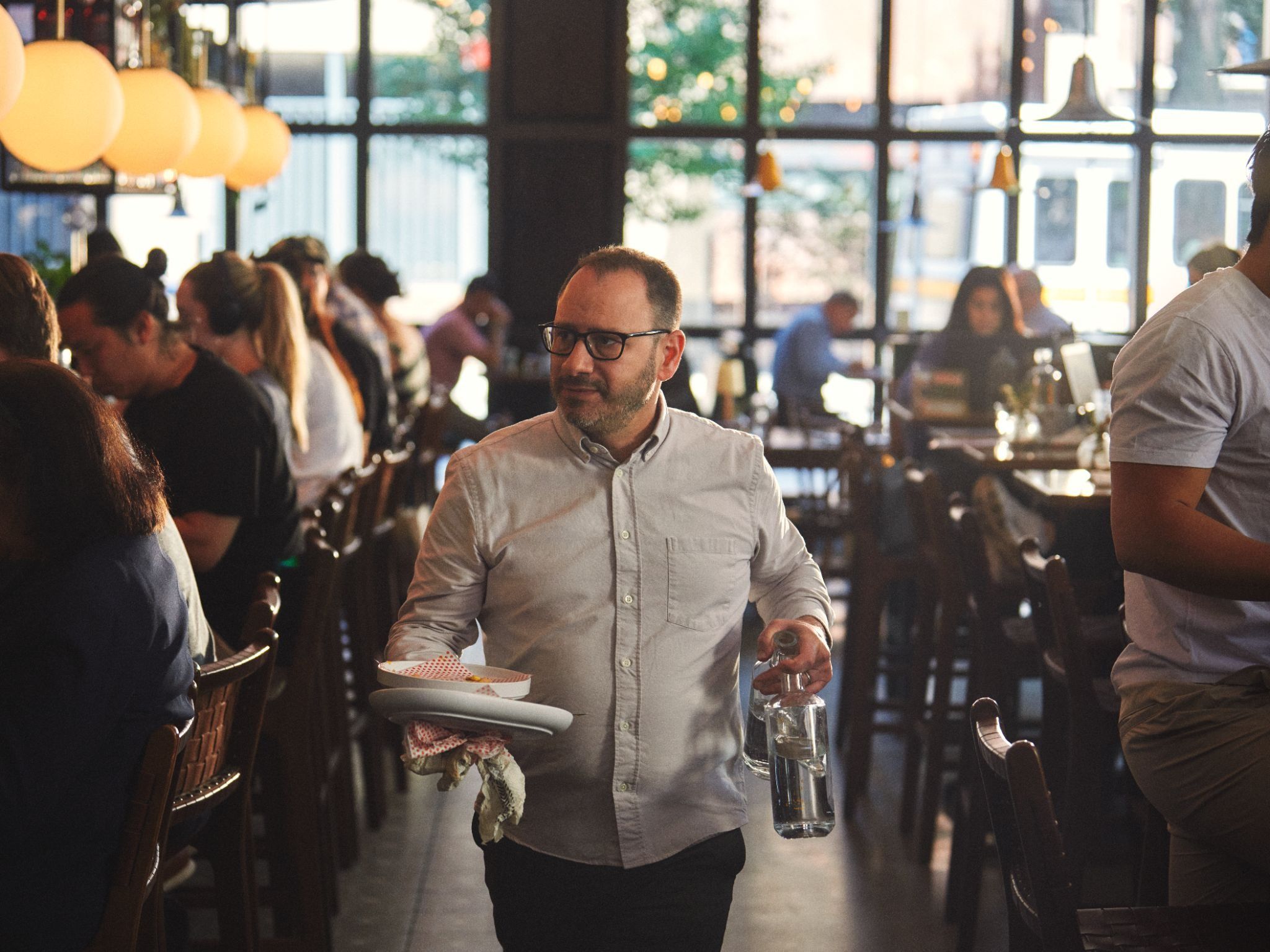
A full-service restaurant typically keeps three to five cents of every dollar it takes in, and more of it goes to payroll than to anything else. In Massachusetts, the minimum wage is $15 an hour; the estimated living wage in Boston is over twice that. “We want to have the business be healthy enough to be able to take care of the people that work for us. In order for these to be good jobs, they have to provide for people and their families,” says Eli Feldman.
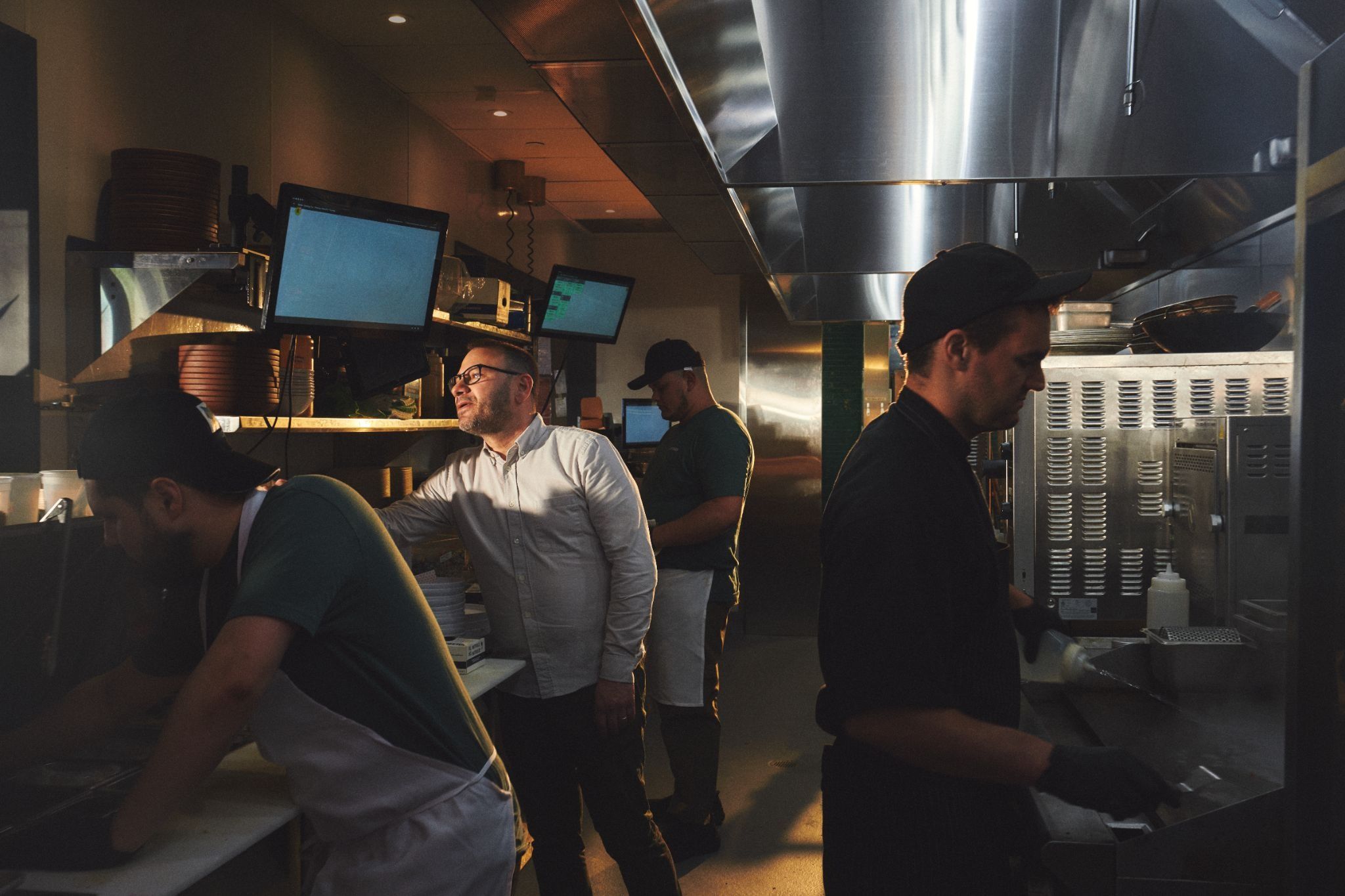
Eli opened Shy Bird, a rotisserie cafe with three locations around Boston, five months before the pandemic. He had never written code, but with Claude he’s built several tools to help run the business, including one that lets new managers practice the hardest calls before they have to make them for real. “It’s a balancing act between financial sustainability, guest experience, and the often unspoken commitment to provide reliable income for your team,” he says.
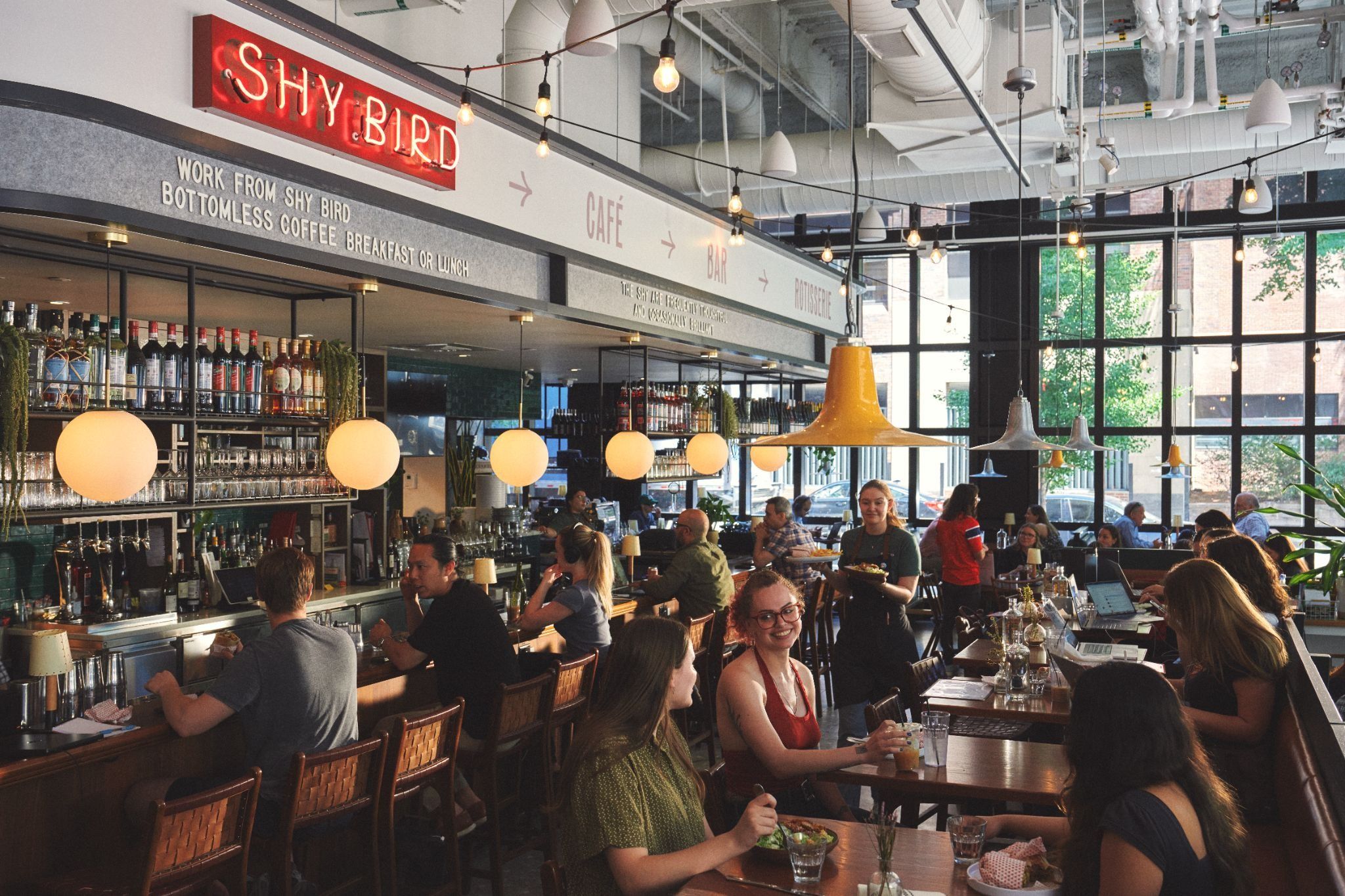
The first problem Eli took to Claude was brunch. On Sunday mornings at the Fenway location, food was slow to leave the kitchen, and on a bad day a family could wait upwards of 30 minutes for their breakfast. “Food was taking forever to leave the kitchen, and the team was working so hard,” Eli says.
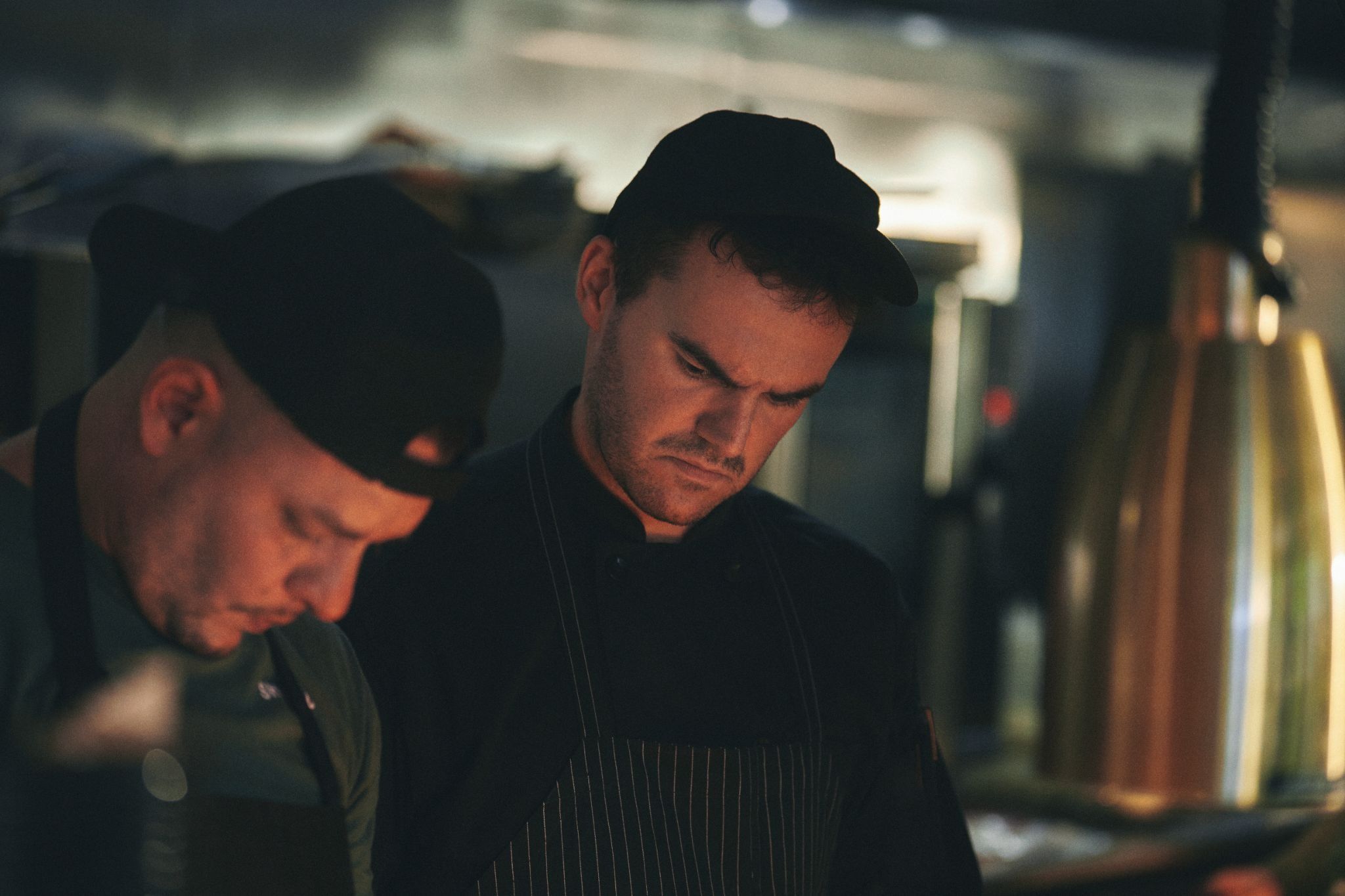
He photographed the kitchen, pulled sales data, and wrote notes on where the cooks stood during a rush and what they reached for. Then he gave it all to Claude, along with feedback from his team, and asked why brunch was slow.
Claude came back with a list. The avocado puree that nearly every order needed sat out of the line cooks’ reach, while overnight oats, ordered far less often, sat right in front of them. Two parts of the most common orders were plated at opposite ends of the kitchen. A station one cook was using had room for two.
“It’s common sense in a lot of ways, but synthesizing all of that in the pressure of a restaurant environment in a pregame before a Red Sox series is just not possible,” Eli says. He started moving things that same week, working through each change with his team. Food came off the line faster, and servers turned more tables, and tips went up.
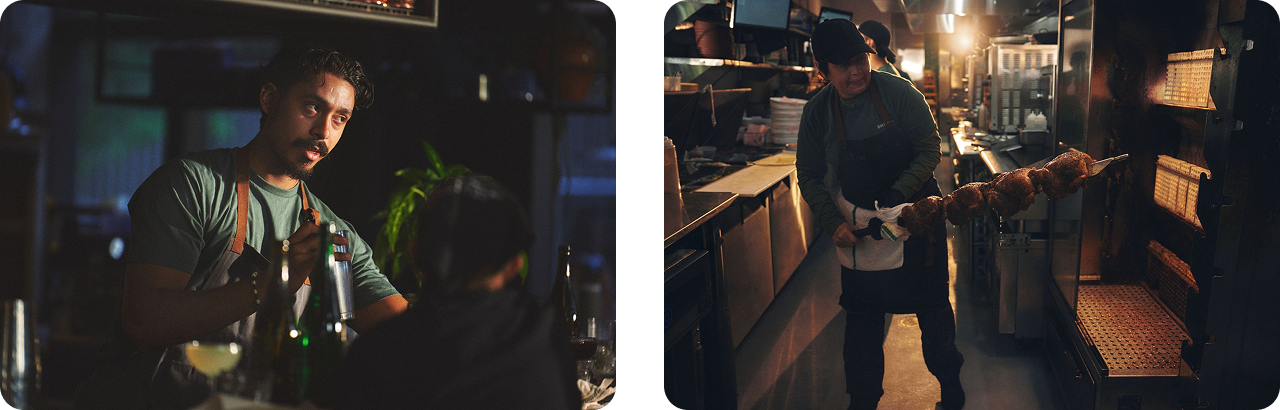
“One of the ways we’re thinking about using Claude is how to build tools that help create new career paths for our people,” says Eli. He imagines that the 25-year-old who closes for him on a Saturday night could still be with Shy Bird eight years from now, working there during the day and putting their kid down at night, while earning enough to support their family. Some of that requires growth, like more locations that add more jobs. But Eli also imagines something more specific, like a server who loves Italian wine building her own tool around it, then licensing it to other restaurants.
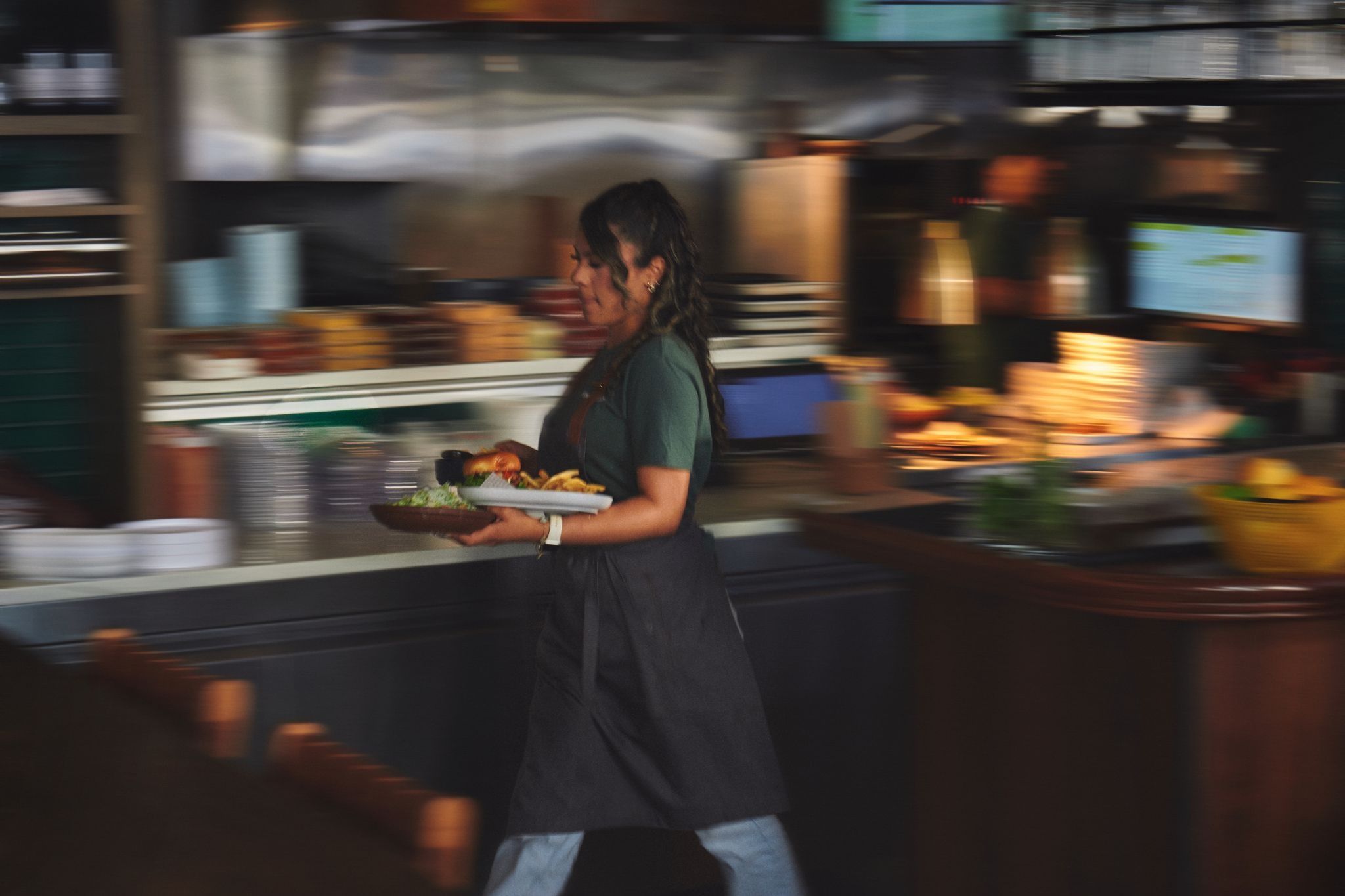
Eli created an internal philosophy around Claude he calls BITE: Bring It To Everything. Every manager at Shy Bird has access to Claude and the freedom to experiment. He built coaching tools grounded in the company’s own values, so a manager handling a hard conversation at 9pm has somewhere to turn. Staff use Claude to translate between English, Spanish and Portuguese, so a schedule change reaches everyone in the language they’re most at home in. He also used Claude to build Colette, a tool that keeps a restaurant’s shift logs, messages, and daily decisions in one place.

“Over time, I realized Claude was also a sounding board, thought partner, creative partner, and collaborative partner.
What all of this allows, Eli says, is more room to tell the difference between a guest who booked months ago for an anniversary, and someone who walked in from a hard day looking for a place to land. “Taste and empathy,” he says, “are ultimately what we’re all being freed up to focus on with these tools. That’s my optimistic view.”